Amarumesawada 108-1, Shonai-machi Higshi-tagawa-gun, Yamagata 997-7781, JAPAN
COPYRIGHT © ACopyright © MNH Inc.
Atelier GENMAI DECAF
atelier GENMAI DECAF | RICE COFFEE | Made in Japan
The Sea of Japan in the raging winter. Overcast skies. Winter thunder, which is rare in the world. Rice fields in Shonai covered with snow. Rest until next season. On days of snowstorms that block visibility, it’s hard to tell whether it’s a road or a rice field. During the freezing cold days, Shonai’s local specialty will warm you to the core. “Dongara-jiru” soup – cooked whole simmering seasonal cod from head to tail. Adds tofu and green onions in a pot with miso and sake lees. Natto soup made by adding mashed natto to miso soup. The thicken soup will warm your body. Sprinkle the seaweed on the soup. It a good scent of the beach. A variety of pickles, including bright pink pickles pickled in sweet vinegar, and hot Shonai rice will help you overcome the harsh winter.
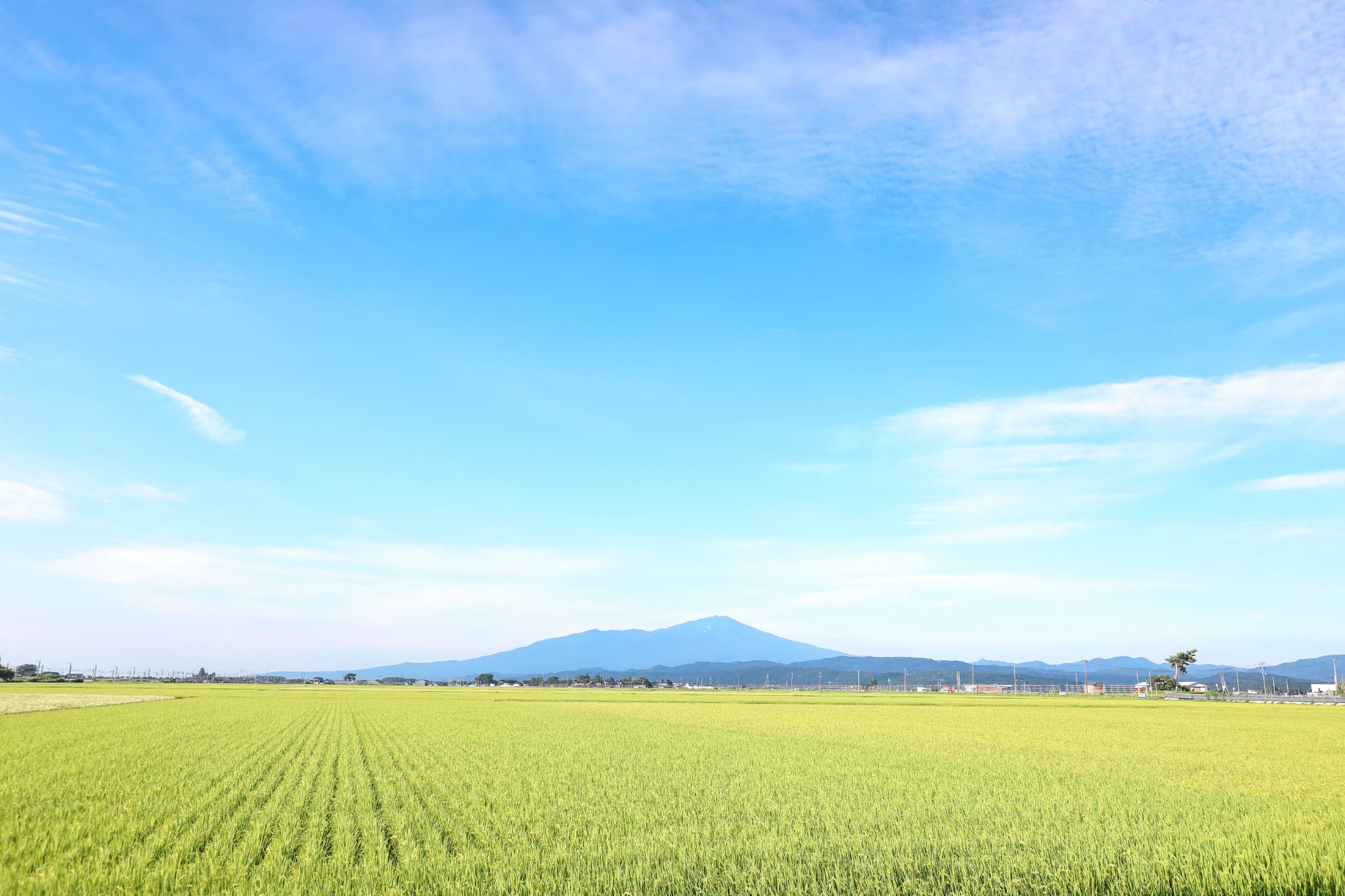
Covers rice fields covered with golden ears of rice. Locusts are flying around, and cosmos called “autumn cherry blossoms” are blooming. Farmers have grown rice with great care. Harvest with a combine. After passing the quality inspections, it is finally shipped to the market. The newly harvested rice is plump and glossy. Miso soup with taro is a staple of autumn. It’s “imoni soup”. Stews taro, root vegetables, and meat in miso. Residents eat it in a group in the open air. The clear blue sky. The beautiful autumn leaves. And rice balls made by new rice. In October, the Tundra Swans come flying to spend the winter. Winter is just around the corner when you see them picking up fallen ears in rice fields all over Shonai.
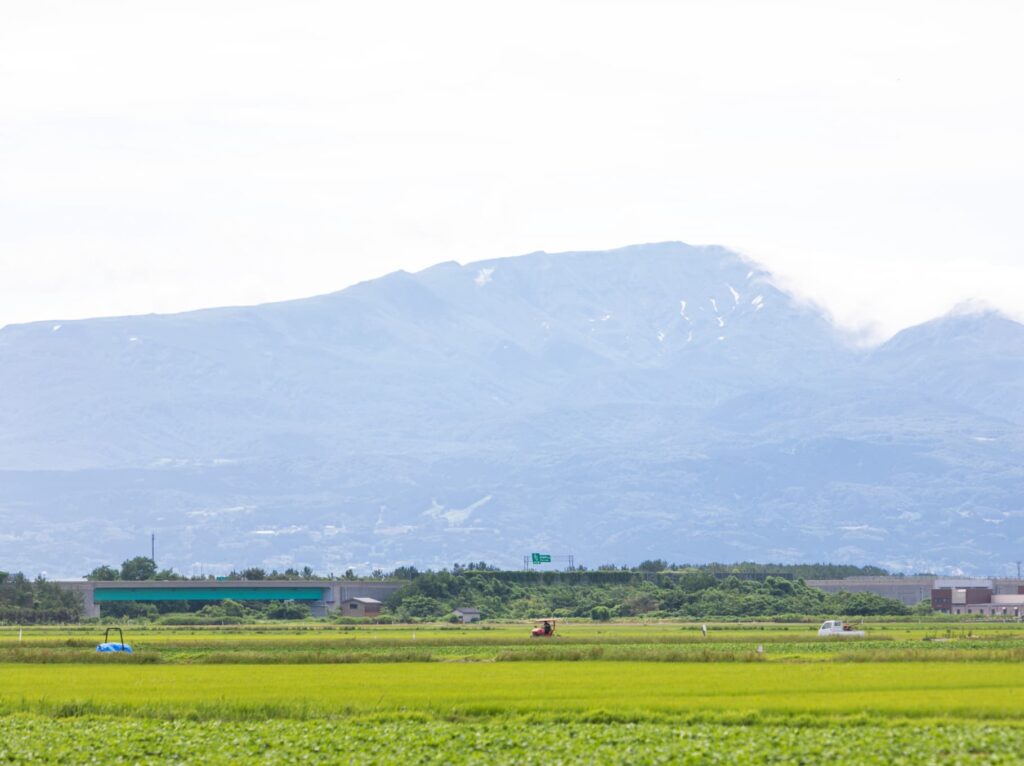
Rice-plants in a lush green field. They are tall and you can’t see the water surface. Summer in Shonai has many sunny days and long hours of sunshine. The temperature difference between day and night is large. Summer seafood, natural Iwagaki oysters that grow on the reefs along the coast of the Sea of Japan. The sea around Fukuura at the foot of Mt. Chokai. Mineral-rich underground water, nurtured in the virgin beech forest, wells up from the bottom of the sea. Best eaten raw with a squeeze of lemon. Once you eat it, you will become addicted to its mild and creamy texture. Crowded beach with beachgoers during the daytime. Feels like the passage of time slows down in the evening. A bright red sunset over the Sea of Japan. All you hear is the soothing sound of waves.
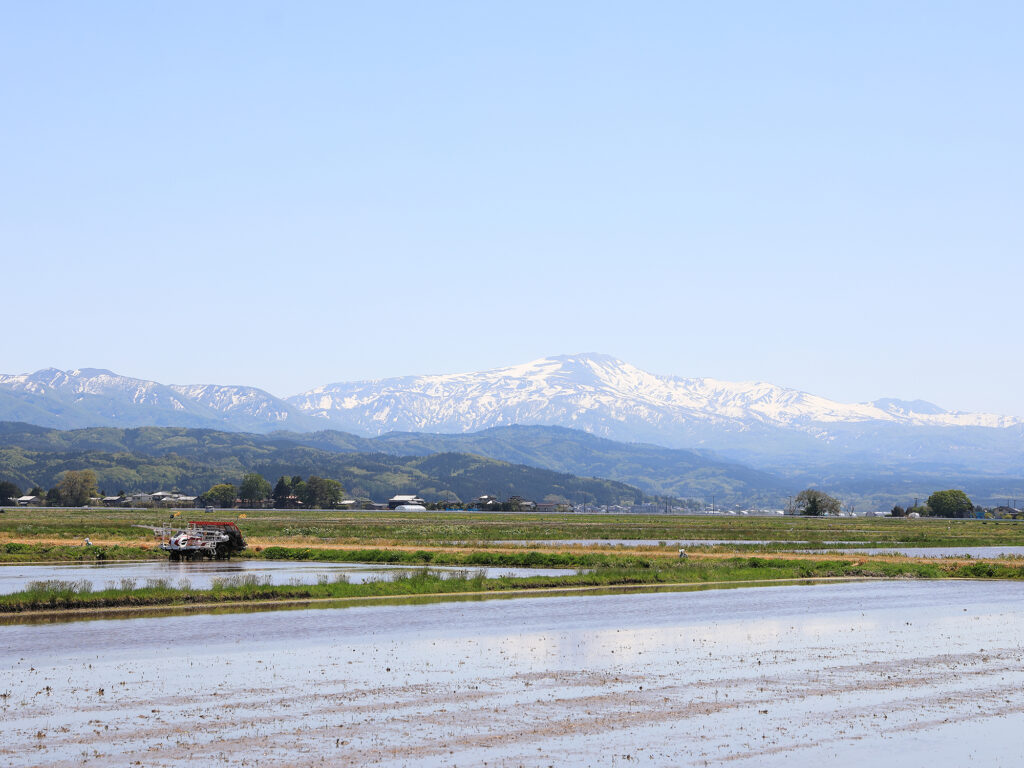
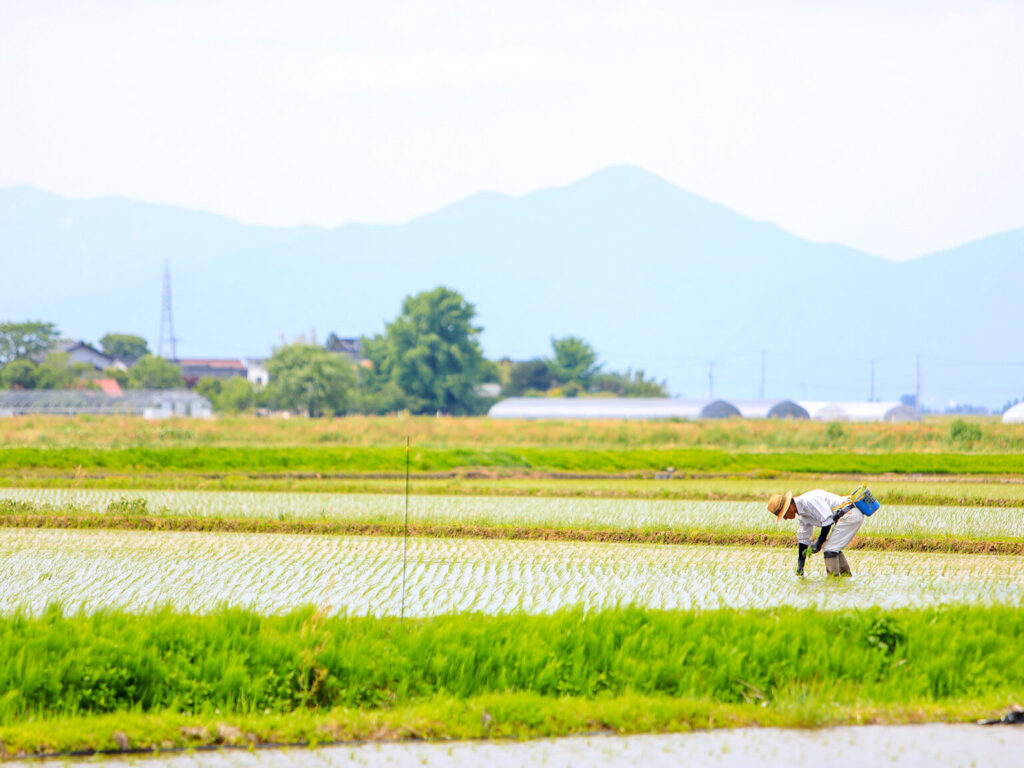
The plum blossom blooms noblely with a faint sweet scent. It heralds the arrival of spring before the cherry blossoms. A butterbur sprout sticking out of the ground. The bittersweet flavor makes you feel spring in your mouth. Yellow rape blossoms blooming on the farm road. Tractors in the rice fields. Add water and knead the soil to prepare for rice planting. Abundant snowmelt water moistens the rice fields. Short rice seedlings arranged evenly. The sun reflects off the paddy fields and makes them sparkle. Shonai has many local festivals in spring. Miso soup [Moso soup] made from Shonai’s specialty Moso bamboo and sake lees is served to customers. On days when it’s a little chilly, Shonai’s local cuisine will warm you up.
Legendary Shonai rice, “Kamenoo” – turtle tail. A variety of rice that became the roots of delicious rice made in various parts of Japan. A cultivar created by Kameji Abe, a tenant farmer, in the Meiji period. People were suffering from poor rice crops due to cold weather. Kameji happened to discover three healthy ears of rice from one plant. After three years of research, we succeeded in increasing the yield. This is ” Kamenoo”. It is resistant to cold damage, has a good taste, and has a stable yield. Kameji did not care about money or greed, he gave away rice seeds for free. He is also said to have devoted himself to the research of groundbreaking farming methods. It became a crossing parent, and an excellent breed has been inherited to the present day.
Tiny reddish-brown beech bud scales scattered on the white snow. The spring scenery of Mt. Gassan, which is said to be “snow autumn leaves”. A swamp nestled in a virgin beech forest. On sunny days, the fresh green of the beech trees reflected in the marsh is beautiful. This beech forest is so vast that it is said to be the largest in Japan. It is an important source of water that irrigates the Shonai Plain. Beech leaves soaked with rainwater fall to the ground. Water slowly seeps into the soil from fallen leaves. The water eventually turns into subsoil water, then becomes groundwater flow, and seeps out into rivers and valleys. Tasty, cool, clean water. With this blessing of nature, farmers continue to grow delicious rice right now.
2446 stone steps. A mysterious row of cedar that is over 300 years old. Mt. Haguro in the Shonai region. A long time ago, Prince Hachiko was led by a three-legged crow, the Yatagarasu, to this place. At the end of his training, he founded the ”Dewa Sanzan”, which symbolizes the present (Mt. Haguro), the past (Mt. Gassan), and the future (Mt. Yudono). It means ”rebirth”. As a place of mountain worship centered on Shugendo, many mountaineers and tourists still visit today. Indescribably beautiful five-storied pagoda in the middle of the approach. The shrine – “Hagurosan Sanjin Gosaiden” at the summit is dedicated to the three gods of “Dewa Sanzan”. At the temple lodgings and inns at the foot of the Mt. Haguro, you can eat traditional Buddhist cuisine.
An active volcano of 2,236m above sea level to extend over the prefectural border with Yamagata and Akita, Mt. Chokai, the highest peak in Yamagata Prefecture. It’s known as Dewa Fuji since the shape of permanent snow on the mountaintop resembles Mt. Fuji. Mt. Chokai reflected in the rice field on a sunny day is so beautiful that words cannot describe it. The abundant spring water at the foot of the mountain. It doesn’t freeze even in winter. Currently, alpine plants bloom profusely in summer, attracting climbers. In spring, the mountain’s sightseeing road “Chokai Blue Line” is opened. You can overlook the Sea of Japan and Shonai plains when I run up the road.